What Does a Home Inspector Look For? Complete Checklist
A home inspector checks 400+ items across structure, roof, electrical, plumbing, HVAC, and more. Here's exactly what's covered — and what isn't.
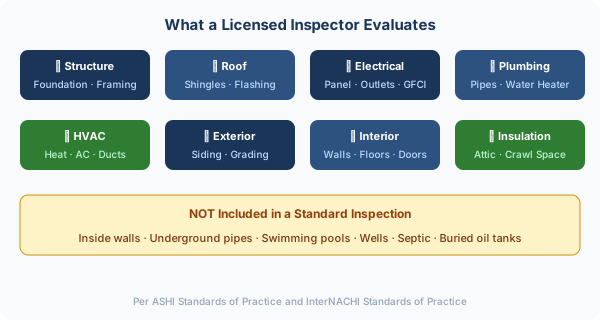
Quick Answer: A standard home inspection covers structure, roof, electrical, plumbing, HVAC, insulation, and interior spaces. It follows ASHI or InterNACHI Standards of Practice — typically 400+ inspection points. Specialty items like pools, wells, and septic systems require separate add-on tests.
If you've never been through a home inspection before, the process can feel like a black box. The inspector shows up, spends a few hours poking around, and hands you a 30-to-50-page report. What exactly were they looking at?
Here's a complete breakdown of every major category a licensed home inspector evaluates — and the specific things they flag most often.
Structural Components
Inspectors start at the foundation and work their way up. This is the most consequential part of the inspection because structural repairs are usually the most expensive.
What they check:
- Foundation type (slab, crawl space, basement, pier-and-beam) and visible condition
- Cracks — horizontal cracks in block foundations are a serious warning sign; vertical hairline cracks in poured concrete are often normal settlement
- Structural framing: floor joists, beams, columns, and load-bearing walls
- Evidence of previous repairs (patched concrete, sistered joists)
- Crawl space moisture, ventilation, and signs of wood rot or pest damage
- Slab movement or heave (especially in expansive clay soil regions)
Common flags: Efflorescence (white salt staining on masonry), sagging floors, diagonal stair-step cracks in brick, inadequate crawl space clearance.
Roof
The roof is one of the most expensive systems in a home — a full replacement runs $8,000–$20,000+ depending on size and materials. Inspectors spend significant time here.
What they check:
- Roofing material condition and estimated remaining life
- Flashings at chimneys, skylights, vents, and valleys
- Gutters and downspouts — proper attachment and drainage direction
- Chimney: cap, crown, flashing, and visible flue condition
- Ventilation: soffit and ridge vents, attic fans
- Flat sections: standing water, membrane condition
Common flags: Missing or curled shingles, improper flashing, gutters pulling away from fascia, granule loss on asphalt shingles (indicates age), moss or algae growth.
Note: Inspectors typically walk the roof when it's safe to do so. If the pitch is too steep or conditions are dangerous, they observe from the ground or use binoculars/drone footage.
Electrical System
Electrical issues cause over 51,000 home fires per year in the U.S., according to the Electrical Safety Foundation International. Inspectors take this category seriously.
What they check:
- Main electrical panel: amperage, breaker condition, labeling
- Double-tapped breakers (two wires on a single breaker — a safety hazard)
- Aluminum branch circuit wiring (requires special outlets and devices)
- GFCI (ground fault circuit interrupter) protection near water sources: kitchen, bathrooms, garage, exterior outlets
- AFCI (arc fault circuit interrupter) protection in bedrooms
- Proper grounding and bonding
- Visible wiring in attic, crawl space, and exposed areas
Common flags: Federal Pacific or Zinsco panels (known fire hazards), ungrounded three-prong outlets, missing junction box covers, DIY wiring work, reversed polarity.
Plumbing
What they check:
- Water supply lines: material (copper, PEX, galvanized, polybutylene), pressure, shut-offs
- Drain, waste, and vent (DWV) lines: material, slope, drainage speed
- Water heater: age, condition, pressure relief valve, expansion tank, proper venting
- Fixtures: faucets, toilets, tubs, showers — operation, drainage, caulking
- Water pressure (typically tested with a gauge — should be 40–80 psi)
- Visible leaks under sinks and around fixtures
Common flags: Polybutylene supply pipes (failure-prone, discontinued in the 1990s), galvanized pipes (corrode internally, reduce water pressure), improper P-traps, water heater older than 10–12 years, inadequate water pressure.
Heating, Ventilation & Air Conditioning (HVAC)
HVAC replacement costs $5,000–$15,000+, so this gets careful attention.
What they check:
- Furnace or heat pump: age, condition, operation, heat exchanger integrity
- Air conditioning: operation, refrigerant line insulation, condition of condenser unit
- Ductwork: visible sections for leaks, proper connections, mold signs
- Thermostat operation
- Combustion air supply for gas appliances
- Flue pipes: material, condition, proper slope and clearances
Common flags: Cracked heat exchanger (carbon monoxide risk — immediate concern), oversized or undersized systems, refrigerant leaks, blocked combustion air intakes, ductwork disconnected in attic or crawl space.
Insulation and Ventilation
Poor insulation and ventilation cause condensation, mold, ice dams, and high energy bills.
What they check:
- Attic insulation: type, depth, coverage (especially at eaves)
- Attic ventilation: balanced intake (soffit) and exhaust (ridge/gable) venting
- Crawl space vapor barrier condition and ventilation
- Bathroom and kitchen exhaust fans: termination point (must exhaust outside, not into attic)
Common flags: Insulation installed with vapor barrier facing wrong direction, bathroom fans terminating into attic, blocked soffit vents, insufficient attic insulation (R-38 to R-60 recommended in most climates).
Interior Spaces
What they check:
- Windows: operation, sealing, fogged double-pane glass (seal failure)
- Doors: operation, weatherstripping, fire-rated doors between garage and living space
- Walls and ceilings: staining, cracks, evidence of water intrusion
- Floors: squeaks, soft spots, tile cracking, uneven surfaces
- Stairs and railings: proper height, secure attachment, balusters not too wide
- Fireplaces: damper operation, firebox condition, visible flue inspection
Common flags: Staining on ceiling directly below bathroom (slow drain leak), soft spots in floor near tubs, missing handrails, gas fireplace without proper shutoff, single-pane windows in newer homes.
What Inspectors Don't Cover
Just as important as knowing what's included:
- Inside walls and ceilings: Inspectors only evaluate what's visible. Mold behind drywall or wiring inside walls isn't inspected.
- Underground components: Underground oil tanks, buried utilities, underground sewer lines (needs a camera scope as an add-on).
- Swimming pools and spas: Usually require a separate pool inspector.
- Wells and septic systems: Always add-on tests — covered in our guides on radon and well testing and sewer line inspections.
- Cosmetic issues: Scuffed paint, dated fixtures, minor carpet wear — not the inspector's job.
- Pest activity inside walls: Termite inspectors look for evidence; they don't guarantee all activity is found.
How to Get the Most Out of Your Inspection
Attend the inspection — don't just read the report afterward. Walking through the home with the inspector for those 2–4 hours gives you context that a written report can't fully capture. You'll hear "this water stain is old and dry — just cosmetic" versus "this active leak needs to be addressed before you close." That difference doesn't always translate to paper.
Ask the inspector to show you the shut-offs for water, gas, and electrical. Even if you buy the home and nothing is wrong, knowing where those are is worth the price of admission alone.
Use our home inspection cost calculator to estimate what you'll pay for the inspection itself, and consider adding a sewer scope and radon test for any home over 20 years old — the incremental cost is small and the protection is real.